Choosing the Right Flange: A Guide to Types, Materials, and Specifications
Selecting the right pipe flange for your project is more than just matching a pipe size. It's a critical decision that impacts the safety, efficiency, and longevity of your entire piping system. Choosing the wrong flange can lead to leaks, costly downtime, and potential hazards. This guide will walk you through the key factors to consider—the type, the material, and the core specifications—to ensure you get your requirements right the first time.
11/19/20252 min read
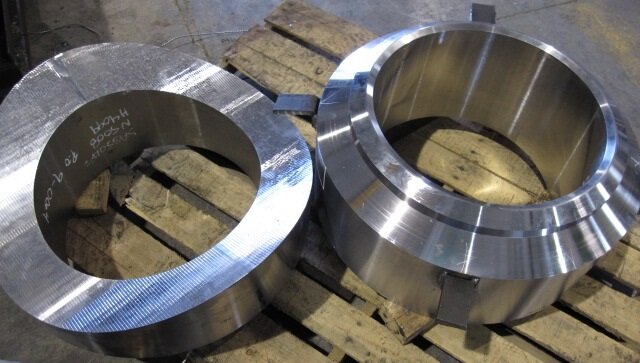
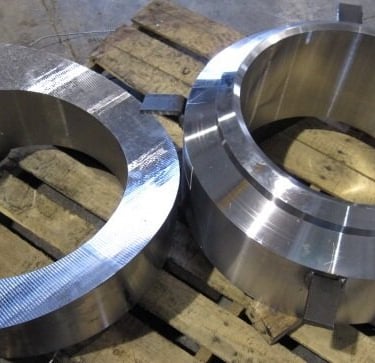
Selecting the right pipe flange for your project is more than just matching a pipe size. It's a critical decision that impacts the safety, efficiency, and longevity of your entire piping system. Choosing the wrong flange can lead to leaks, costly downtime, and potential hazards.
This guide will walk you through the key factors to consider—the type, the material, and the core specifications—to ensure you get your requirements right the first time.
1. Start with the Flange Type
The flange type defines how it attaches to the pipe and its overall strength. While there are many specialty designs, you will most often encounter these three:
Weld Neck Flange: Easily identified by its long, tapered hub, this flange is designed to be butt-welded directly to the pipe. This transfers stress from the flange to the pipe itself, providing a high-strength connection ideal for high-pressure, high-temperature, or critical applications.
Slip-On Flange: This pipe flange is designed to slip over the end of the pipe. It's then welded in two places—once on the outside hub and once on the inside. These are generally easier to align than weld neck flanges but are typically used for lower-pressure applications.
Blind Flange: A blind flange is a solid disc with bolt holes. It has no center bore and is used to seal or "blank off" the end of a pipe flanges system, a valve, or a pressure vessel opening.
2. Choose the Right Material
What is your flange made of? This choice depends entirely on your application's environment, temperature, and the media (like water, gas, or chemicals) flowing through the pipes.
Carbon Steel Flanges: This is the workhorse of the industry. Carbon steel flanges (like the common A105 specification) are strong, durable, and cost-effective, making them the top choice for oil and gas, power generation, and general manufacturing. For maximum reliability, a forged flange is the industry standard for strength and durability.
Stainless Steel Flanges: When you need corrosion resistance, stainless steel flanges are the answer. Their ability to resist rust and chemical attack makes them essential for industries like chemical processing, food and beverage, and water treatment. Different applications—from oil and gas to water systems—have specific needs, which you can read more about in this detailed guide to stainless steel flange applications.
3. Confirm the Key Specifications
Once you know your type and material, you must nail down the technical specifications to ensure a perfect, leak-proof fit.
Pressure Rating (Class): This is one of the most important requirements. Expressed as a class (e.g., 150#, 300#, 600#), this rating defines the maximum pressure the flange can safely handle at different temperatures.
Dimensions (Size): This must match your pipe's nominal size (e.g., 4-inch, 12-inch). You also need to confirm the dimensions of the bolt hole pattern to ensure it aligns with the connecting flange.
Flange Face & Gasket: The face of the flange must be compatible with your flange gasket. The most common type is a "Raised Face" (RF), which provides a strong, concentrated sealing area when the flange is bolted.
Conclusion: From Knowledge to Sourcing
Getting the right flange means understanding your system's needs. By correctly identifying the flange type, material, and critical specifications, you ensure a safe and leak-free system.
This site is here to help you learn, but when you're ready to buy or get a quote for your next project, you need a trusted flange supplier. For a complete inventory of all flange and fittings and expert advice, we recommend visiting Texas Flange.